Best Areas to Live in Gainesville, FL (Local Guide)
Gainesville covers a lot of ground — college-town energy near campus, established residential neighborhoods, a golf community, and newer mixed-use development all within the same city. The right area depends on your lifestyle, commute, budget, and how close you want to be to UF, UF Health Shands, schools, or shopping. Here's a look at some of the most popular areas, and why storage tends to come up in each of them.
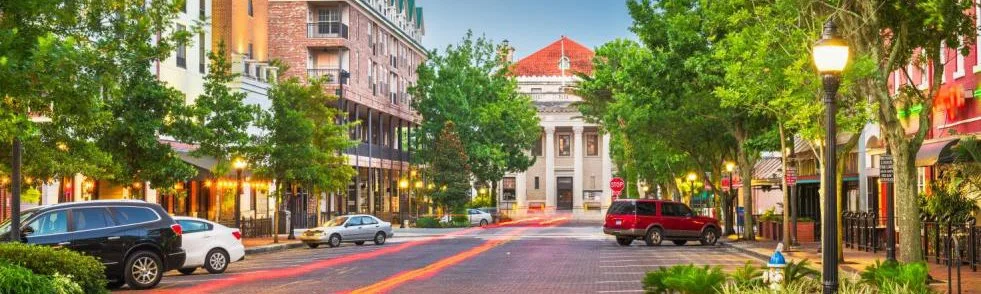
Haile Plantation
One of Gainesville's most established master-planned communities, Haile Plantation draws families, UF faculty and staff, professionals, and retirees with tree-lined streets, a golf course, and strong school zones. It sits southwest of UF and downtown, which means a longer commute if your daily routine centers on campus — the tradeoff for the quieter, more suburban feel. Renovations, moves, and downsizing are common reasons residents here turn to storage.
Celebration Pointe and Archer Road
This is Gainesville's fastest-growing corridor — new apartments, mixed-use development, restaurants and entertainment, and easy access to both I-75 and UF Health Shands. It draws young professionals, medical workers, and remote workers who want a newer building and a short commute. The tradeoff is space: apartment storage here tends to be limited, which is a big part of why demand for nearby climate-controlled storage runs high in this specific area.
Midtown and the UF area
Midtown sits directly next to campus — walkable to UF, close to Ben Hill Griffin Stadium, with an active restaurant and nightlife scene. It's the natural fit for graduate students, faculty, and medical residents who want to be in the middle of things. Parking and storage space are both tight here, and move-in/move-out activity spikes harder in this neighborhood than almost anywhere else in Gainesville, concentrated heavily around the summer lease turnover.
Tioga and Jonesville
West of the city, Tioga and Jonesville have become popular with families and professionals looking for newer housing and more room than the older neighborhoods closer in — bigger lots, strong schools, a more suburban feel, and easy I-75 access. The commute to UF and downtown runs longer than from anywhere closer to campus. Homeowners here lean on storage mostly during moves, remodeling projects, and garage cleanouts rather than ongoing space constraints.
Duckpond and Historic Northeast
Gainesville's oldest and most distinctive neighborhood, Duckpond offers real character homes, strong walkability, and proximity to downtown — but older housing stock generally means less built-in storage than newer construction elsewhere in the city. Renovation and restoration projects are common here, which is exactly the situation where climate-controlled storage tends to earn its cost, protecting furniture and belongings while work is underway.
Northwest Gainesville
A more residential, established part of the city, with larger homes and lots and good access around town — popular with families, long-term residents, and retirees who want more space without being out in the newer developments. Homeowners here frequently turn to storage during moves, downsizing, and estate transitions, more often tied to life changes than to ongoing space limits.
Near UF Health Shands Hospital
This area draws healthcare professionals, medical students, and residents on temporary relocations, largely for the short commute to the hospital and continued access to UF and downtown. Short-term leases and apartment transitions are the norm here rather than the exception, which is exactly why temporary storage demand runs high — a lot of what moves through this neighborhood is genuinely short-term by design, not incidental.
Why storage comes up so often across Gainesville
A few reasons repeat across nearly every neighborhood on this list: moving between apartments or homes, renovations, downsizing, limited apartment storage space, temporary relocation for work or medical programs, and seasonal moves tied to lease timing. Florida's heat and humidity make climate-controlled storage especially worth considering for anything left in a unit for more than a few weeks.
A few things worth knowing before you rent
Prices climb during summer and peak moving season, so reserving 2–4 weeks early is usually enough to lock in a lower rate — most facilities let you do this for free. Ground-floor and drive-up units typically cost more than elevator-access units of the same size, and units closer to entrances carry a similar premium; most facilities offer economy, standard, and premium tiers priced accordingly. It's worth visiting one to three facilities in person before committing — there's no obligation, and you'll get a better read on the surrounding neighborhood and whether the property is actually staffed than photos alone give you. One quick check: search Google reviews for a specific manager's name mentioned repeatedly — that's usually a solid sign of consistent, hands-on management.