Moving to Gainesville, FL: A Local Guide for New Residents
Whether you're relocating for a new job, attending the University of Florida, joining UF Health Shands Hospital, retiring, or just looking for a lower-cost Florida city with a strong sense of community, Gainesville offers something for almost everyone. This guide covers what new residents should know before moving here — neighborhoods, housing, commuting, weather, and practical moving tips.
Who moves to Gainesville
Gainesville draws a genuinely mixed crowd: UF faculty and staff, healthcare professionals at UF Health Shands, students and graduate students, remote workers, families, and retirees. Unlike a lot of Florida cities built around one industry, Gainesville combines a real economy, major healthcare facilities, higher education, and easy access to outdoor recreation — which is part of why residents here span such a wide range of reasons for moving.
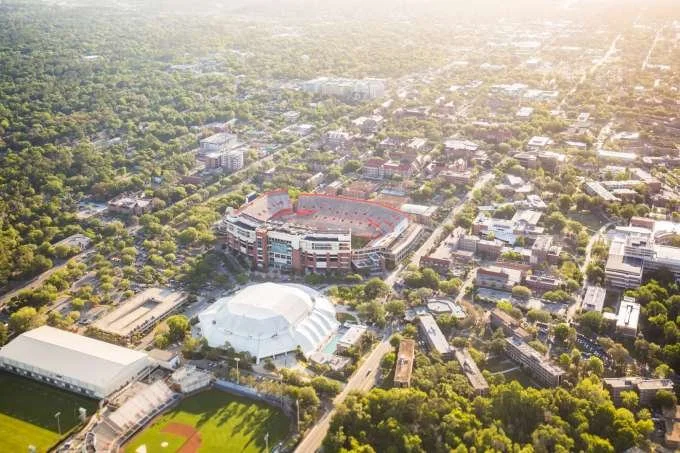
What Gainesville is actually like
It's often described as a college town, and UF genuinely shapes the local economy — but plenty of residents have no connection to the university at all. Cost of living runs more affordable than South Florida, there's an extensive network of parks and nature trails, a real restaurant and local business scene, and easy I-75 access alongside the college sports and cultural events UF brings.
Popular neighborhoods, briefly
Haile Plantation, Celebration Pointe, Tioga and Jonesville, and Midtown near UF each draw a different crowd — established families and faculty, young professionals in newer apartments, homeowners wanting more space and newer construction, and graduate students and residents who want to walk to campus. For the full breakdown of what makes each one distinct, see our dedicated neighborhood guide.
Renting vs. buying
Renting tends to make more sense if you're new to the area, working a temporary assignment, completing a residency or fellowship, or still figuring out which neighborhood actually fits your life. Buying makes more sense if you're planning to stay several years, want more space, or know you're relocating permanently. A lot of new residents split the difference — renting for the first year before deciding where to buy.
Getting around
Commuting here is manageable compared to larger Florida cities. Archer Road, Newberry Road, SW 34th Street, and University Avenue are the corridors most people end up using regularly, connecting to UF, UF Health Shands, Butler Plaza, and Celebration Pointe. One thing worth knowing before you sign a lease: living five minutes closer to work can save more time than you'd expect during football weekends and peak university activity, when traffic patterns shift noticeably.
Weather to plan around
Hot summers, mild winters, frequent afternoon thunderstorms, and high humidity for much of the year — summer temperatures regularly hit the 90s. That humidity is exactly why climate-controlled storage is worth defaulting to for furniture, electronics, documents, clothing, and mattresses if you're storing anything during your move.
A few practical moving tips
Reserve moving trucks early if you're relocating during summer, since that's when demand from students moving between semesters spikes citywide. Schedule utility transfers before move-in day, visit any neighborhood you're considering on both a weekday and a weekend, and drive your actual commute before signing a lease rather than estimating it from a map.
Why storage tends to come up during a move
Very few moves happen perfectly on schedule — a closing date shifts, a lease end doesn't line up with a move-in date, a renovation runs long. Storage is what bridges that gap: it lets you move out on time without rushing into a new property, stage a home more effectively while it's on the market, or just create breathing room while you unpack and organize instead of solving everything on the same day. In Gainesville specifically, the most common versions of this are relocating for a UF or UF Health Shands position, transitioning between apartments near Archer Road or Celebration Pointe, waiting on a home purchase to close, downsizing after retirement, or helping a family member move to the city.
If your move date isn't locked in yet, a month-to-month facility is worth prioritizing over a fixed-term lease — most storage rentals don't require a long commitment, which matters if your plans shift. And it's worth reserving as soon as your dates firm up regardless: availability tightens and rates climb during summer as demand rises across the whole city.
Choosing a facility
Visit in person, ask to see the actual unit, and check online reviews for mentions of a specific manager by name — that's usually a decent sign of consistent, hands-on management. Compare access hours and security features across facilities you're considering. Most price by convenience as much as size: units near elevators or entrances cost more, so if you're trying to save money, ask about spaces further from the loading area.
Explore more Gainesville storage guides
How Much Storage Space Do I Need When Moving Out of a House in Gainesville?
Best Self Storage Options in Gainesville, FL (2026 Market Review)
CubeSmart Self Storage of Gainesville offers climate-controlled units and flexible month-to-month rentals, located across from Target and Butler Plaza, minutes from UF, UF Health Shands, Archer Road, and I-75. Check current pricing and availability.